Physical safes provide the delay component of security—time required for an intruder to access your valuables. But delay without detection is meaningless. A burglar with eight hours and no interruption will eventually defeat almost any residential safe. Security systems provide the critical detection and response components that transform delay into actual protection.
This guide covers the complete landscape of home security systems, from basic entry sensors to sophisticated integrated solutions. For precious metals protection specifically, we’ll examine technologies and configurations that address the unique requirements of safeguarding concentrated, high-value assets.
The layered defense philosophy
Effective home security operates on the principle of defense in depth—multiple overlapping layers that must each be defeated for an intrusion to succeed. For precious metals protection, these layers include:
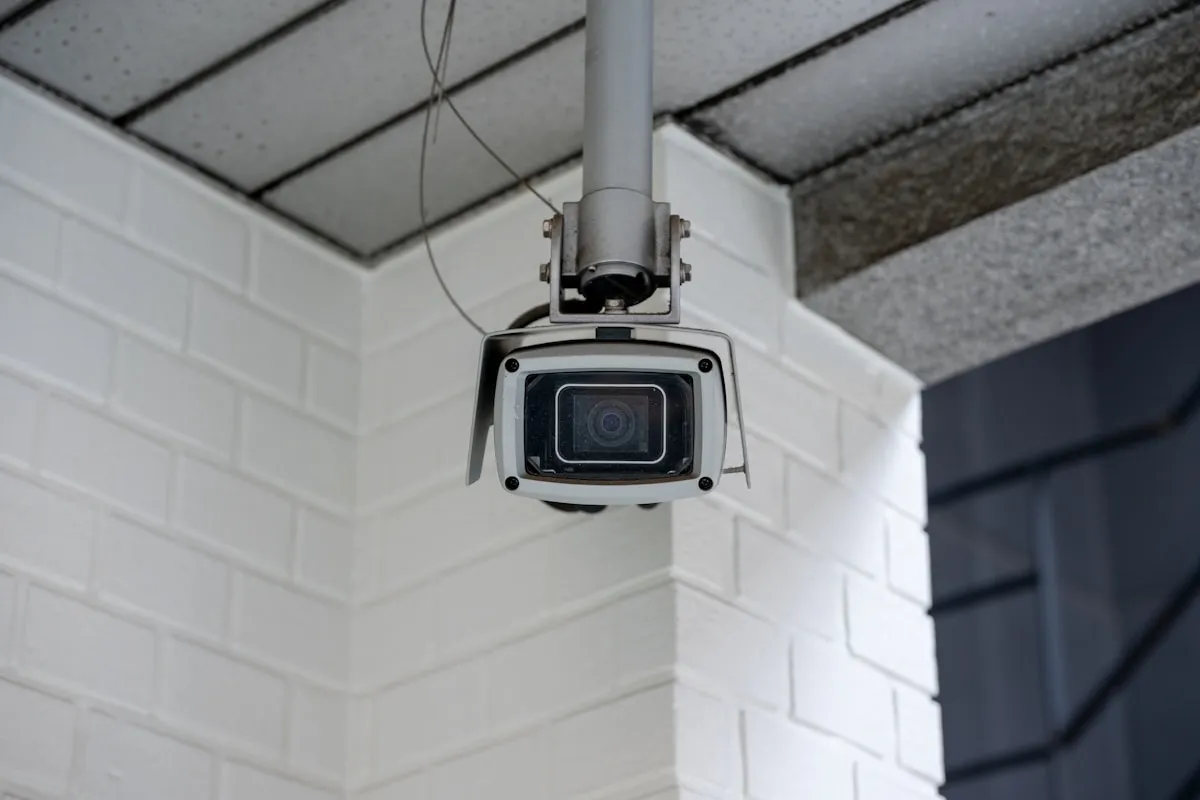
Layer 1: Deterrence — Visible security measures discouraging intrusion attempts entirely. Security signs, visible cameras, and obvious alarm components signal that easier targets exist elsewhere. Studies consistently show that burglars prefer homes without visible security indicators.
Layer 2: Perimeter detection — Sensors on doors and windows that trigger when the building envelope is breached. This earliest warning provides maximum response time.
Layer 3: Interior detection — Motion sensors, glass break detectors, and other technologies that detect intruders who bypass perimeter protection. This redundancy addresses scenarios where entry points are missed or defeated.
Layer 4: Point protection — Sensors directly monitoring high-value targets. For precious metals, this includes safe door contacts, vibration sensors on safe bodies, and dedicated cameras covering storage areas.
Layer 5: Communication and response — The system’s ability to alert monitoring centers, dispatch police, and notify you of events. Without reliable communication and response, detection is worthless.
Each layer serves a purpose; none is sufficient alone. A safe with an attached seismic sensor but no monitoring service simply tells an intruder when their cutting tool penetrates the wall. Comprehensive perimeter detection with no point protection allows safe access during authorized entry periods. The goal is integration—each component strengthening the others.
★ Important
A safe without an alarm system is a time puzzle a burglar can solve at leisure. An alarm system without a quality safe gives intruders only seconds to grab what they can. You need both working together, delay without detection is as useless as detection without delay.
Detection technologies: understanding your options
Modern security systems employ multiple sensor types to detect unauthorized entry and movement. Understanding these technologies helps you select appropriate protection for your specific situation.
Door and window contacts
The most fundamental detection technology, magnetic contact sensors consist of two components: a magnet mounted on the moving part (door or window sash) and a reed switch on the fixed frame. When the door opens, the magnet separates from the switch, breaking the circuit and triggering an alert.
Recessed contacts install inside the door frame, invisible when closed. They’re more tamper-resistant than surface-mounted contacts and present no visual indication of which entry points are monitored.
Surface-mounted contacts attach visibly to door and frame surfaces. Easier to install, particularly in rental situations, but more vulnerable to tampering.
Wide-gap contacts accommodate doors with larger gaps between the door and frame, useful for older construction or weatherstripped doors.
For precious metals protection, door contacts form the essential first line of detection on all exterior doors. The limitation: they detect only door opening, not other entry methods like glass breakage or wall breach.
Motion detection technologies
When perimeter protection fails or is bypassed, motion sensors provide interior detection. Several technologies exist, each with distinct characteristics:
Passive Infrared (PIR) sensors detect changes in infrared radiation caused by body heat moving through the detection zone. The most common residential technology, PIR sensors are cost-effective, reliable, and consume minimal power. Limitations include susceptibility to temperature extremes (less sensitive when room temperature approaches body temperature) and potential false alarms from heating systems, sunlight patterns, or pets.
Microwave sensors emit low-power microwave pulses and detect movement through changes in the reflected signal. More consistent across temperature ranges than PIR, but more expensive and can detect movement through walls—potentially triggering on activity outside the intended zone.
Dual-technology sensors combine PIR and microwave detection, requiring both technologies to trigger simultaneously. This dramatically reduces false alarms while maintaining detection reliability. For precious metals protection, dual-tech sensors in storage areas provide high-confidence alerts.
Pet-immune sensors use modified detection patterns that ignore motion low to the ground or below specified weight thresholds. Available in ratings from 40 to 100+ pounds, they allow pet movement while detecting human intrusion. However, effectiveness varies—a pet jumping on furniture can trigger sensors designed to ignore floor-level movement.
For safes located in dedicated storage rooms or closets, a single motion sensor covering the entry provides point protection redundancy. If someone enters the space, you’ll know—regardless of whether they came through the monitored door.
Glass break detection
Windows represent the most vulnerable portion of most home perimeters. Glass break sensors detect the acoustic signature of breaking glass, triggering alerts even if perimeter contacts aren’t present on every window.
Acoustic glass break detectors mount on walls or ceilings and listen for the specific frequency patterns of breaking glass. A single sensor can cover multiple windows within approximately 25 feet. They require initial breaking sounds—not effective against glass that’s carefully cut.
Shock sensors attach directly to glass panes and detect the vibration of impact. More precise than acoustic detectors but require installation on each individual window.
Combined sensors integrate both acoustic and shock detection, triggering only when both are activated simultaneously. This virtually eliminates false alarms while maintaining detection reliability.
For precious metals protection, acoustic glass break detectors covering ground-floor windows provide cost-effective protection against smash-and-grab intrusions.
Vibration and seismic sensors
For protecting the safe itself, vibration sensors detect physical attacks—drilling, grinding, cutting, and prying. These “point protection” sensors represent the last detection layer before asset access.
Basic vibration sensors detect sustained vibration patterns consistent with power tool attacks. They typically require sensitivity adjustment to prevent false alarms from nearby traffic, construction, or household appliances.
Seismic sensors (like the Honeywell SC100) provide sophisticated attack detection specifically designed for safe and vault protection. They distinguish between attack vibrations and environmental disturbances, dramatically reducing false alarms while detecting drilling or cutting within inches of safe walls.
Mounting location matters: sensors should attach directly to the safe body, typically on a side panel away from the door. Door-mounted sensors may trigger during normal access. Some seismic sensors (like the SC100) include multiple sensitivity zones, allowing different detection thresholds for different attack types.
For collections exceeding $50,000, a dedicated seismic sensor on your safe adds a critical detection layer that activates only during actual attacks—providing targeted protection without the false alarm risks of motion sensors in frequently accessed spaces.
Control panels and communication
The security control panel serves as the system’s brain—receiving sensor signals, making alarm decisions, communicating with monitoring centers, and controlling user interaction. Understanding panel capabilities helps you select appropriate protection.
Panel fundamentals
Wired panels receive sensor signals through dedicated cables run throughout the building. More reliable and immune to interference, but require professional installation and aren’t practical for rentals or retrofits. Traditional alarm companies (ADT, Vivint) still primarily use wired systems for new construction.
Wireless panels communicate with sensors via radio frequency (typically 433 MHz or 900 MHz bands). Modern encrypted wireless systems are highly reliable and enable DIY installation. Nearly all current DIY systems (Ring, SimpliSafe, Abode, Cove) are completely wireless.
Hybrid panels support both wired and wireless sensors, useful when retrofitting existing wired systems with additional wireless coverage.
Modern panels typically include built-in cellular communicators, touchscreen interfaces, and app connectivity. Battery backup ensures continued operation during power outages—critical for protection when you’re most vulnerable.
Communication paths
When an alarm triggers, the panel must transmit this information to monitoring centers for response. The communication path is a critical vulnerability—criminals can defeat the best detection by cutting phone lines or blocking signals.
Landline telephone (POTS) represented the original alarm communication method. Still reliable where available, but phone lines are increasingly uncommon in modern homes and trivially defeated by cutting the line at the exterior interface box.
Internet/IP communication transmits signals over your broadband connection. Fastest transmission but vulnerable to internet outages and can be defeated by cutting the cable/fiber line—often accessible at the exterior of the building.
Cellular communication uses dedicated mobile data connections (LTE or newer) for alarm transmission. Independent of your home internet, cellular backup addresses the primary weakness of IP-only systems. However, cellular can be jammed by sophisticated criminals with readily available equipment.
Dual-path communication combines IP and cellular, transmitting via whichever path is available. This represents the current standard for serious protection—defeating the system requires simultaneously disrupting both your internet and jamming cellular signals. For precious metals protection, dual-path communication should be considered a minimum requirement.
⚠ Warning
A single-path alarm system (internet only or landline only) can be defeated by cutting a single cable at the exterior of your home. If you are protecting more than $25,000 in precious metals, dual-path communication with cellular backup is not optional, it is essential.
Communication monitoring and tamper detection
Quality systems include communication failure monitoring—if the panel loses contact with monitoring centers, an alert generates after a configurable timeout (typically 30-60 minutes). This catches criminals who disable internet before attempting entry.
Tamper detection on sensors and panels triggers immediate alerts when equipment is opened or removed from mounting locations. Hardwired systems include line supervision that detects wire cutting; wireless systems should use encrypted signals to prevent capture and replay attacks.
Professional vs. self-monitoring
The monitoring decision—whether to hire a professional monitoring service or handle alerts yourself—significantly impacts both cost and security level.
Professional monitoring: the case for human response
24/7 monitoring centers maintain staffed facilities that receive alarm signals and respond according to predetermined protocols. When your alarm triggers, trained operators attempt to verify the alarm (often calling designated contacts), then dispatch police to your location. This human element ensures response regardless of your personal availability.
Response time matters: Professional monitoring centers receive signals within seconds and can dispatch within 30-60 seconds of alarm activation. If you’re asleep, traveling, or simply away from your phone, professional monitoring ensures someone is always watching.
Video verification has become increasingly important. When monitoring centers receive alarm signals, they access your camera feeds to visually confirm intrusions. Many police departments now prioritize verified alarms, responding faster and with more officers than to unverified signals. In cities with verified response policies, unverified alarms may receive no police response at all.
Major professional monitoring providers include:
- ADT: Largest U.S. monitoring provider with decades of experience, proprietary equipment, and six nationwide monitoring centers. Professional installation required. Monthly costs typically $40-60.
- Vivint: Emphasizes smart home integration and premium equipment. Professional installation with sophisticated AI features. Monthly costs $30-60.
- Brinks Home Security (formerly Monitronics/Protection One): Flexible equipment options including DIY systems. Monthly costs $30-50.
- SimpliSafe, Ring, Abode, Cove: DIY equipment with optional professional monitoring at $20-40/month.
Self-monitoring: cost savings vs. response risk
Self-monitoring eliminates monthly fees by routing all alerts to your smartphone. You receive notifications of sensor triggers, camera motion, and system events—then decide how to respond. For budget-conscious collectors, this dramatically reduces ongoing costs.
The critical weakness: self-monitoring depends entirely on your personal availability. If your phone is silenced during a meeting, you’re in a movie theater, or you’re simply asleep, hours may pass before you notice an alert. Criminals operating during these windows face no response.
✓ Pro Tip
If you self-monitor, configure alerts to ring through Do Not Disturb mode and add at least two family members as backup contacts. A missed alert at 3 AM is the difference between a response and a total loss.
Hybrid approaches add value for self-monitored systems:
- Emergency contact lists: Configure alerts to multiple phone numbers so family members can respond if you’re unavailable
- Automation rules: Set up automatic responses (turn on lights, trigger sirens) for certain alarm conditions
- Community monitoring: Some DIY systems allow neighbors to receive your alerts—informal mutual monitoring
For precious metals protection, self-monitoring is adequate only for modest collections (under $25,000) where the cost/risk tradeoff makes sense. As collection values increase, the relatively modest cost of professional monitoring ($20-40/month) provides disproportionate protection value.
DIY security systems: current market options
The DIY security market has matured dramatically, offering sophisticated protection that rivals professional installations at a fraction of the cost. Here’s a current assessment of major platforms.
SimpliSafe
Overview: The original DIY security disruptor, SimpliSafe offers completely wireless, self-installed systems with optional professional monitoring. No contracts required.
Strengths: Easy installation (peel-and-stick sensors), no long-term commitment, comprehensive sensor ecosystem, video verification available, reasonable pricing. The Foundation kit at $250 regularly goes on sale for $125.
Limitations: Proprietary equipment (no third-party sensor support), limited smart home integration compared to competitors, app functionality occasionally criticized.
Monitoring options:
- Self-monitoring: Free (requires app only)
- Standard ($17.99/month): Professional monitoring, no camera access
- Interactive ($27.99/month): Adds app control, unlimited camera recording
- Fast Protect ($31.99/month): Adds video verification for faster response
Best for: Renters, those wanting simple professional monitoring without contracts, budget-conscious collectors.
Ring Alarm
Overview: Amazon-owned Ring emphasizes ecosystem integration—doorbells, cameras, and alarm work seamlessly together. Strong Alexa integration.
Strengths: Excellent ecosystem with wide camera selection, Ring Edge local processing option, Eero router integration, neighborhood alert sharing through Neighbors app, competitive pricing on both equipment and monitoring.
Limitations: Amazon/Alexa ecosystem dependency, privacy concerns for some users (Amazon access to camera footage), subscription required for most camera features.
Monitoring options:
- Self-monitoring: Free with basic functionality
- Ring Home Basic ($9.99/month): Video history, motion alerts, no pro monitoring
- Ring Home Standard ($9.99/month): Professional monitoring for one location
- Ring Home Premium ($29.99/month): Adds extended warranty, 24/7 backup internet
Best for: Existing Ring/Alexa households, those wanting comprehensive camera integration, value-focused shoppers.
Abode
Overview: Emphasizes smart home compatibility, supporting more third-party devices and protocols than competitors. Strong automation capabilities.
Strengths: Broadest device compatibility (Z-Wave, Zigbee, HomeKit, IFTTT), sophisticated automation rules, local processing for privacy, professional monitoring without contracts.
Limitations: Equipment costs higher than competitors, app interface less polished, smaller brand presence.
Monitoring options:
- Self-monitoring: Free with Abode app
- Standard ($8/month): Basic professional monitoring
- Pro ($20/month): Professional monitoring with advanced features
Best for: Smart home enthusiasts, Apple HomeKit households, those wanting maximum device flexibility.
Cove
Overview: Newer entrant focusing on simplicity and value. All equipment includes lifetime warranties.
Strengths: Lowest professional monitoring cost, lifetime equipment warranty, simple setup, touch panel with built-in camera.
Limitations: Smallest ecosystem, limited camera options, less brand recognition.
Monitoring options:
- Basic ($14.99/month): Professional monitoring, cellular backup
- Plus ($24.99/month): Adds remote control, voice control, video monitoring
Best for: Budget-focused buyers wanting professional monitoring, those prioritizing simplicity over features.
Wyze
Overview: Ultra-budget option from camera company Wyze. Basic functionality at remarkably low prices.
Strengths: Lowest equipment costs (Core Starter Kit under $100), affordable monitoring, integrates with extensive Wyze camera line.
Limitations: Limited sensor selection, app-dependent with occasional connectivity issues, basic features compared to competitors.
Monitoring options:
- Self-monitoring: Free
- Home Monitoring ($9.99/month): Professional monitoring, HMS cellular backup
Best for: Absolute budget minimum, existing Wyze camera users, secondary coverage for low-risk areas.
:::comparison-grid
title: “Professional Monitoring vs. Self-Monitoring” columns:
- “Factor”
- “Professional Monitoring”
- “Self-Monitoring” items:
- [“Monthly Cost”, “$20-60”, “$0-10”]
- [“Response When Away”, “24/7 dispatch regardless”, “Depends on phone access”]
- [“Police Dispatch”, “Automatic, verified”, “You must call 911”]
- [“Video Verification”, “Available, enables priority response”, “You review footage”]
- [“Best For”, “Collections over $25,000”, “Collections under $25,000”]
- [“Critical Weakness”, “Contract terms, recurring cost”, “Missed alerts = no response”] :::
Camera systems for precious metals protection
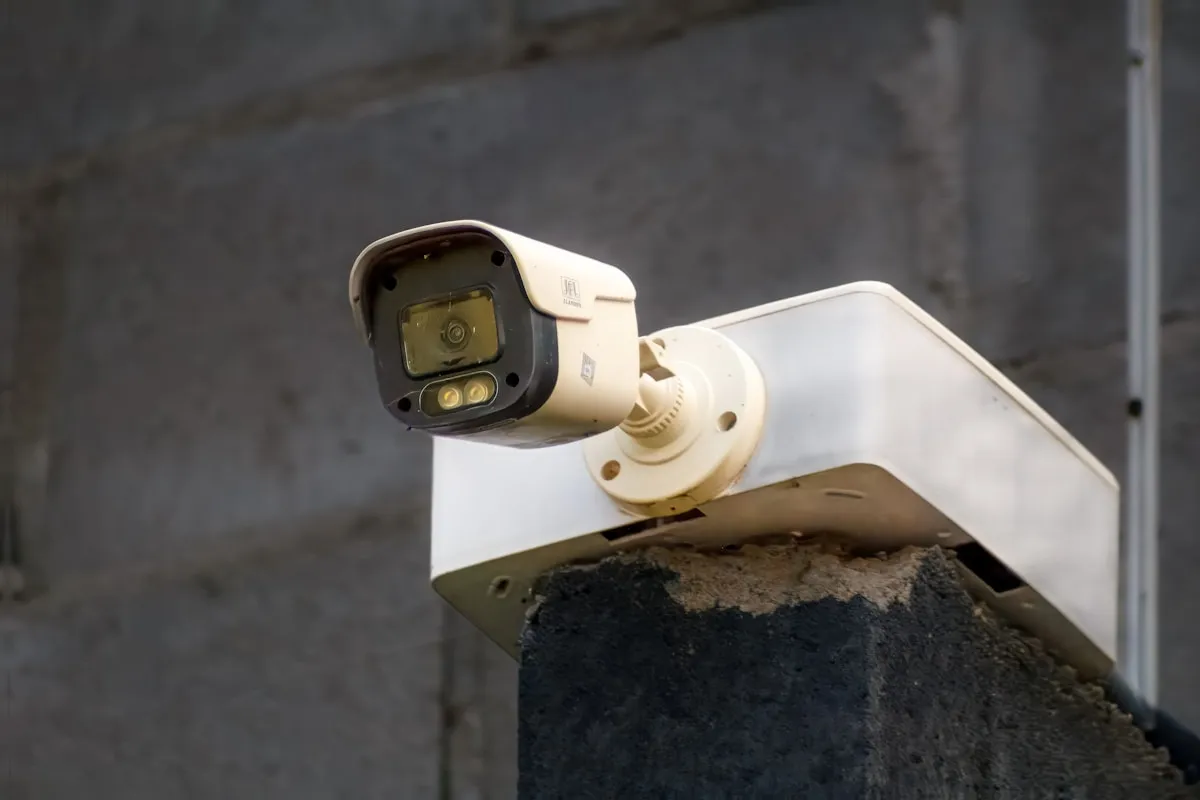
While alarm systems detect intrusions, cameras provide visual verification, recording, and evidence. For precious metals protection, cameras serve several specific functions:
Camera roles in security
Deterrence: Visible cameras discourage intrusion attempts. Even dummy cameras provide some deterrent value, though knowledgeable criminals can identify non-functional equipment.
Verification: When alarms trigger, camera footage confirms whether intrusion is occurring—enabling monitoring centers to prioritize response and helping you decide whether to call police.
Evidence: Post-incident footage aids criminal investigation, supports insurance claims, and documents exactly what was taken.
Documentation: Cameras covering your safe record who accesses it and when—useful for estate planning, identifying unauthorized access by household members, and verifying your own inventory activities.
Camera types and considerations
Indoor cameras should cover the safe storage area directly. Consider a camera positioned to capture faces of anyone approaching the safe, plus a wider-angle view of the entire room. For privacy, indoor cameras with physical privacy shutters allow disabling when you’re home.
Outdoor cameras should cover all entry points, the driveway/approach, and any gates or side passages. These provide early warning of approaching visitors and document intruder arrival methods for investigation.
Resolution matters: 1080p (Full HD) represents the minimum for useful footage. 2K and 4K cameras provide better face identification and license plate capture at distance. For close-range indoor coverage of your safe area, 1080p is adequate; for outdoor coverage where subjects may be 30+ feet away, higher resolution pays dividends.
Night vision: All security cameras should include infrared night vision for 24/7 coverage. Color night vision (using low-light sensors rather than IR) provides better subject identification but requires some ambient light.
Local vs. cloud recording: Cloud storage is convenient but requires ongoing subscription fees and depends on internet connectivity. Local recording to an NVR (Network Video Recorder) or microSD card ensures footage even during internet outages. For precious metals protection, local recording with cloud backup provides maximum security.
NVR systems for serious protection
For collections exceeding $50,000, a dedicated NVR system provides substantial advantages:
Continuous recording: Most cloud-based systems record only when motion is detected. NVRs record continuously, ensuring nothing is missed between motion events.
Local storage: Footage remains on-premise, immune to internet outages and subscription cancellations. Typical NVR configurations store 30+ days of footage from multiple cameras.
Higher resolution: NVR systems commonly support 4K cameras on all channels, while cloud systems often compress footage to reduce bandwidth.
No subscription fees: After initial equipment purchase, ongoing costs are limited to electricity and eventual storage drive replacement.
Leading NVR options:
- Reolink RLK8-800B4 (~$500): 4K cameras, 2TB storage, straightforward setup
- Lorex systems: Wide variety from 1080p to 4K, available at major retailers
- Ubiquiti UniFi Protect: Premium option with excellent software, higher technical requirements
Position the NVR itself in a secure location—ideally inside your safe or a secondary locked enclosure. An intruder who locates and removes the NVR takes your evidence with them.
★ Important
Always configure off-site backup for your NVR footage, cloud sync or automatic upload to a remote server. Even a locked NVR can be stolen, and without off-site copies, your video evidence disappears with it.
Smart home integration
Modern security systems increasingly integrate with broader smart home ecosystems, enabling automation and convenient control. For precious metals protection, integration offers specific benefits—and introduces specific risks.
Voice assistant integration
Amazon Alexa integrates most broadly with security systems. Ring, SimpliSafe (with Interactive plan), Abode, and others support Alexa voice commands for arming/disarming and status queries. “Alexa, arm the security system” works when leaving; “Alexa, is the front door locked?” provides quick status checks.
Google Assistant works well with most major security systems through IFTTT integration and native partnerships, providing similar voice control and automation capabilities. Google Home hub displays provide visual confirmation of system status and camera feeds.
Apple HomeKit offers the most restricted ecosystem but strongest privacy protections. Abode stands alone with native HomeKit support; others require workarounds through third-party bridges. For Apple households prioritizing ecosystem consistency, Abode is the clear choice.
Geofencing and presence automation
Geofencing uses smartphone GPS to create virtual boundaries around your home, automatically triggering actions as you cross them:
- Departure: Arm security system, lock smart locks, adjust thermostat, turn off lights
- Arrival: Disarm system, unlock doors, adjust lighting and climate
This automation eliminates the most common alarm failures—forgetting to arm when leaving. Configure geofence radius to trigger just before you reach your driveway, ensuring the system is ready by the time you arrive.
Most DIY systems (SimpliSafe, Ring, Abode, Cove) support geofencing through their apps. However, rely on this as convenience rather than security—devices can be forgotten, left behind, or run out of battery. Manual arming discipline should remain the backup.
Smart lock integration
Keypad-enabled smart locks eliminate the security vulnerability of physical keys while providing powerful integration with alarm systems. When your alarm disarms, the front door automatically unlocks. When you arm away mode, all locks automatically engage. Temporary codes allow contractors or guests access for defined time periods—no more hiding keys or changing locks.
August and Yale (now under common ownership) provide the widest compatibility, with retrofit designs that work with existing deadbolts. Schlage Encode Plus stands out for Apple Home Key support—unlocking with iPhone or Apple Watch via tap. Kwikset offers fingerprint options eliminating codes entirely.
Integration points that matter for precious metals security:
- Access logs recording every entry with timestamp
- Automatic locking after arm-away
- Alert notifications for lock activity during away periods
- Temporary codes easily revoked when access should end
Security concerns with connected devices
IoT devices introduce genuine cybersecurity risks. Research shows average home networks experience 10 attack attempts every 24 hours, with routers and cameras among the most targeted devices. Poorly secured smart home equipment can be compromised to disable security systems, access camera feeds, or enable unauthorized entry through smart locks.
Essential protective measures:
Network segmentation provides the most important protection. Create a separate VLAN or guest network for IoT devices, isolating them from computers and phones containing sensitive data. If a camera is compromised, attackers cannot pivot to access financial records on your computer.
Strong unique passwords on every device eliminate the most common vulnerability—default or reused credentials. Use a password manager to generate and store complex passwords.
Two-factor authentication (2FA) should be enabled on every account that supports it, particularly alarm monitoring apps that could be used to disable security remotely.
Firmware updates should be applied promptly, as they frequently patch discovered vulnerabilities. Enable automatic updates where available; otherwise, check monthly.
Disable UPnP on your router to prevent devices from automatically opening ports that could expose them to internet attacks.
Use VPN for remote access to your home network rather than directly exposing cameras or NVRs to the internet. Consumer VPN routers or services like Tailscale provide straightforward remote access without the vulnerabilities of port forwarding.
These measures require modest technical competence but dramatically reduce smart home security risks. For collectors uncomfortable with this responsibility, professional-install systems from ADT or Vivint include cybersecurity protections as part of their service.
Power backup and communication reliability
Security systems are worthless during power outages if they cannot detect intrusions or communicate alerts. Proper backup power extends protection through extended outages while redundant communication paths ensure alerts reach monitoring centers.
Battery backup essentials
All quality alarm panels include integrated battery backup, typically 12V sealed lead-acid (SLA) batteries providing 4-24 hours of standby operation. For precious metals protection, 24-hour backup represents the minimum acceptable standard—sufficient to outlast most power outages while maintaining protection during overnight storms.
Wireless sensors use individual batteries lasting 3-5 years for door/window contacts, 4-7 years for motion detectors. Low-battery alerts provide weeks of warning before replacement is needed, but proactive replacement of all sensors of similar age prevents cascading failures.
Panel backup batteries degrade over time and should be replaced every 3-5 years. Testing backup by briefly disconnecting AC power confirms actual runtime—critical for outages where theoretical capacity may not match reality.
Extended power protection with UPS
Cameras and networking equipment (routers, PoE switches, NVRs) require their own backup power—panel batteries don’t extend to these devices. An uninterruptible power supply (UPS) providing 600-1500VA capacity maintains these critical systems during outages.
Quality UPS units provide instant switchover (4-10 milliseconds) preventing any gap in protection or recording. Runtime varies with connected load: a 1000VA UPS might power a modest router for 5+ hours but only sustain a multi-camera NVR system for 30-60 minutes. For precious metals protection, prioritize powering cellular communicators and at least one camera covering the primary safe area.
Testing actual runtime under load reveals true capability versus manufacturer claims. Document results and ensure replacement UPS batteries (typically needed every 3-5 years) maintain expected backup duration.
Generator integration for extended protection
For properties in areas prone to extended outages, generator backup provides unlimited runtime protection. Automatic transfer switches detect power failure and start generators without manual intervention—critical when outages occur during travel or overnight.
The UPS serves as bridge during the 10-30 second generator startup period, ensuring no gap in protection. The combination of UPS plus automatic generator provides true continuous protection regardless of outage duration.
Insurance integration and regulatory compliance
Security systems provide tangible financial benefits beyond protection itself—insurance discounts reduce ongoing costs while proper documentation supports claims when incidents occur.
Insurance discounts for security systems
Most insurers offer premium discounts for monitored security systems, typically 5-15% for basic monitored alarms scaling to 20% for comprehensive systems with cameras and professional monitoring. Average annual savings reach approximately $59 according to industry surveys, though vary significantly by insurer and coverage level.
To claim discounts, insurers require documentation: installation invoices, monitoring service agreements, and sometimes UL certificates for high-value properties. Provide monitoring company name and contact information, communication method (cellular preferred), and coverage areas protected.
Some insurers require monitored security as a condition of coverage for high-value homes or collections. Before insuring precious metals exceeding $50,000, confirm whether your policy requires specific security measures—and document compliance with those requirements.
Documentation supporting insurance claims
When incidents occur, security system records strengthen claims:
- Video evidence documents intrusion methods, timeline, and potentially identifies perpetrators
- Event logs provide precise timestamps for alarm triggers, door openings, and system status changes
- Monitoring records prove the system was active and properly functioning
- Police dispatch records from the monitoring center confirm alarm response
- Sensor activation data identifies entry points supporting forced-entry claims
Maintain records of system tests, maintenance, and any modifications. Document the relationship between your security measures and your precious metals storage location. When filing claims, provide monitoring company contact information so adjusters can verify system operation.
Alarm permits and false alarm management
Many jurisdictions require registration of monitored alarm systems, with permits typically costing $25-50 initially and $11-50 annually for renewal. Failure to register may result in non-response to alarms or enhanced fines for false alarms.
False alarms represent a serious problem: 94-98% of alarm calls nationally are false alarms, costing emergency services approximately $1.8 billion annually. Cities respond with escalating consequences:
- First 1-3 false alarms: Often free or warning only
- Subsequent false alarms: Fines of $50-100 initially, increasing to $200-500+
- Excessive false alarms: Potential alarm permit revocation, non-response policies, or criminal penalties
Some cities now implement verified response policies requiring video or audio confirmation before dispatching police. Unverified alarm signals may receive no response at all. This makes video verification capability increasingly essential—not just for faster response, but for any response at all in certain jurisdictions.
ℹ Note
Check your city’s alarm response policy before choosing a monitoring plan. In verified-response jurisdictions, a system without video verification may generate zero police response to a genuine intrusion, making the camera investment far more critical than the alarm itself.
Reduce false alarms through proper installation (sensors away from HVAC vents and pets), thorough user training (ensure all household members know proper codes and procedures), regular maintenance (clean dusty sensors, replace batteries proactively), and pet-immune sensors appropriately sized for your animals.
Testing and maintenance: ensuring ongoing protection
Security systems require regular testing and maintenance to ensure reliability when needed. A well-designed system that hasn’t been tested in months may have failed sensors, dead batteries, or communication issues that render it ineffective.
Monthly testing procedures
Perform these tests monthly to confirm system operation:
-
Test communication: Put system in test mode (notify monitoring center first), trigger an alarm, and verify the monitoring center receives the signal. Confirm both primary (IP) and backup (cellular) paths if equipped with dual-path communication.
-
Test all sensors: Open each door and window while system is armed, confirming each triggers the expected zone. Walk through motion sensor coverage areas. Trip glass break sensors with manufacturer-provided test devices.
-
Check battery levels: Review panel and sensor battery status through your app or control panel display. Note any low battery warnings and replace proactively.
-
Verify camera operation: View each camera feed, confirming image quality, night vision function, and recording capability. Clean lenses with soft cloth if image quality has degraded.
-
Test app connectivity: Confirm you can arm, disarm, view cameras, and receive alerts through your smartphone app.
Annual maintenance requirements
Beyond monthly testing, annual maintenance ensures long-term reliability:
- Replace batteries proactively: When one sensor’s battery fails, replace batteries in all sensors of similar age and type
- Physical inspection: Check all mounted equipment for damage, loose connections, or positioning changes
- Outdoor equipment review: Inspect for weather damage, vegetation blocking camera views, or animal damage to wiring
- Firmware updates: Apply any available updates to panel, sensors, cameras, and networking equipment
- Emergency contact review: Verify monitoring center has current phone numbers and contact sequence
- Permit renewal: Confirm alarm permit is current and update registration if you’ve modified the system
- Professional inspection: Consider annual professional evaluation to identify vulnerabilities you might miss
When to upgrade your system
Technology advances rapidly; security systems effective five years ago may lack critical capabilities today. Consider upgrades when:
- Your system uses 3G cellular (networks are being deactivated—upgrade to LTE immediately)
- Sensors lack encryption (older systems can be defeated by signal capture and replay)
- Cameras are below 1080p resolution (insufficient for face identification)
- No video verification capability exists (increasingly required for police response)
- Single-path communication only (cellular backup is essential for high-value protection)
- Panel battery backup is under 24 hours (insufficient for extended outages)
For comprehensive protection of precious metals, evaluate your complete security posture every 3-5 years against current technology and threats.
Budgeting and system selection by collection value
Security investment should scale with the value being protected. Under-protecting a major collection is obviously foolish, but over-investing in security for a modest collection diverts funds better spent on the collection itself.
Budget systems: $200-500 equipment, $0-20 monthly monitoring
For collections under $25,000, basic DIY systems provide meaningful protection:
- Wyze Core Starter Kit ($112) with monitoring ($9.99/month): Lowest cost meaningful protection
- SimpliSafe Foundation ($250, frequently $125 on sale) with self-monitoring ($9.99/month): Better app and ecosystem
- Ring Alarm 5-piece ($200) with Standard plan ($9.99/month): Best for existing Ring/Alexa households
These systems cover basic entry detection and provide smartphone alerts. They won’t defeat determined professional criminals, but they deter opportunistic burglars and ensure you’re immediately aware of any intrusion.
Mid-range systems: $500-1,500 equipment, $20-40 monthly monitoring
For collections valued $25,000-100,000, invest in comprehensive coverage with professional monitoring:
- SimpliSafe Haven package ($558, often ~$300 on sale) with Core monitoring ($31.99/month): Video verification, environmental sensors, comprehensive coverage
- Ring Alarm Pro 14-piece ($380) with Premium + Professional monitoring ($29.99/month): Excellent ecosystem, cellular backup
- Cove complete system (~$500) with Plus monitoring ($27.99/month): Lifetime warranty, lowest monitoring cost
Add dedicated cameras monitoring safe location ($100-250 each) and consider safe door contacts ($15-30) for specific asset protection. Total first-year cost: $1,000-2,000 including equipment and monitoring.
Professional systems: $1,500-5,000 equipment, $40-100 monthly monitoring
For collections exceeding $100,000, professional installation ensures comprehensive coverage:
- ADT professionally installed system with video monitoring: Expert sensor placement, hardwired reliability where possible, established monitoring infrastructure
- Vivint Smart Home system: Premium equipment, advanced AI features, integrated smart home control
- Custom integration: Professional security designer, commercial-grade equipment, local monitoring with police relationships
Add seismic sensors on safe ($150-250), multi-camera NVR system with off-site backup ($600-1,500), dual-path communication, and 24+ hour power backup. Consider safe room hardening with reinforced door and dedicated motion/camera coverage.
Total first-year cost: $3,000-7,000 including installation, equipment, and monitoring. Ongoing annual monitoring: $500-1,200.
Return on investment calculation
A $50/month monitoring service costs $600 annually—approximately 0.6% of a $100,000 collection’s value. If monitoring reduces burglary risk by even 50%, and burglary would result in total collection loss, expected value of monitoring is $500 annually (0.5 × 0.01 × $100,000, assuming 1% base burglary risk).
Adding insurance discounts (5-15% of premiums, often $50-150 annually) and the psychological value of security confidence, professional monitoring represents sound investment for any collection exceeding approximately $25,000 in value.
Integration case studies: practical system designs
Case study 1: $25,000 collection, rental apartment
Situation: Collector with modest gold and silver holdings in apartment rental. No permanent installation permitted. Limited budget.
Solution:
- SimpliSafe Foundation kit ($250 on sale): Base station, keypad, entry sensor, motion sensor
- Additional entry sensors ($15 each × 2): Cover bedroom door and window
- SimpliSafe indoor camera ($140): Monitor safe location
- Core monitoring ($31.99/month): Video verification for faster response
Total first-year cost: $460 equipment + $384 monitoring = $844
Protection achieved: Entry detection, motion detection in living area, video monitoring of safe, professional monitoring with police dispatch, video verification for priority response.
Case study 2: $150,000 collection, suburban home
Situation: Serious collector with substantial precious metals holdings in dedicated home office/safe room. Own home, can install permanently.
Solution:
- Ring Alarm Pro 14-piece ($380): Comprehensive sensor coverage
- Additional sensors ($100): Cover all ground floor windows
- Reolink RLK8-800B4 NVR system ($600): 4K cameras with local storage, no subscription
- Ring Outdoor cameras (2 × $170): Entry point coverage, Ring ecosystem integration
- Honeywell SC100 seismic sensor ($200): Mounted on safe
- Safe door contact ($25): Alerts on safe access
- UPS for cameras/NVR ($150): 4-hour backup power
- Ring Premium with Professional monitoring ($29.99/month)
Total first-year cost: $1,625 equipment + $360 monitoring = $1,985
Protection achieved: Comprehensive perimeter and interior detection, professional 4K video surveillance with local storage, seismic attack detection on safe, video verification for priority police response, cellular backup communication, extended power backup.
Case study 3: $500,000+ collection, primary residence
Situation: Major collector with museum-quality holdings requiring maximum protection.
Solution:
- Professional ADT installation ($1,500 including equipment): Comprehensive hardwired sensor coverage with professional design
- Commercial-grade NVR system ($2,500): 16-channel 4K with redundant storage
- Dedicated safe room ($3,000-5,000): Reinforced door, dedicated HVAC, humidity control
- Dual seismic sensors ($400): Redundant attack detection
- Dual-path communication with cellular priority
- Dedicated UPS with generator ($2,500): 48-hour backup power
- ADT premium monitoring ($75/month): Video verification, priority response
Total first-year cost: $10,000-15,000 equipment/installation + $900 monitoring = $11,000-16,000
Protection achieved: Professional-grade integrated security with redundant detection, commercial surveillance capability, seismic attack detection with redundancy, hardened safe room, indefinite backup power, professional monitoring with maximum response priority.
:::margin-fact A $50/month monitoring service costs $600 annually, approximately 0.6% of a $100,000 collection’s value. Adding insurance discounts of $50-150 annually makes professional monitoring a sound investment for any collection exceeding $25,000. :::
Your precious metals collection represents not just monetary value but accumulated knowledge, careful selection, and often decades of patient acquisition. It deserves protection that matches its significance.
:::accent-card
title: “The Verified Response Reality” type: “warning”
Many cities now implement verified response policies requiring video or audio confirmation before dispatching police. In these jurisdictions, an alarm system without video verification may generate zero police response to a genuine intrusion, making the camera investment far more critical than the alarm itself. :::
Conclusion: the integrated protection mindset
Protecting precious metals at home requires accepting a fundamental truth: no single measure provides adequate security. The finest safe defeats attack for hours—hours that are meaningless without detection and response. The most sophisticated alarm system notifies monitoring centers instantly—but cannot stop intruders if the safe can be breached before police arrive.
True security emerges from integration: visible deterrents preventing most intrusion attempts, perimeter sensors detecting the remainder immediately, interior sensors tracking intruder movement, point protection on the safe itself triggering attack alerts, cameras recording evidence and enabling priority response, professional monitoring ensuring human response regardless of your personal availability, and backup power maintaining protection through outages.
For most collectors, this integration is achievable at modest cost. A $500-1,500 DIY system with $20-40 monthly monitoring provides protection that would have required tens of thousands of dollars a decade ago. The technology exists; implementation requires only understanding what matters and building the layers systematically.
Start with professional monitoring—the single highest-impact investment for most collectors. Add comprehensive entry detection and interior motion sensors. Position cameras to cover entry points and safe location. Include safe-specific protection appropriate to collection value. Test monthly, maintain annually, and upgrade as technology advances.
Your precious metals collection represents not just monetary value but accumulated knowledge, careful selection, and often decades of patient acquisition. It deserves protection that matches its significance. The systems described in this guide provide the tools; implementation remains with you.