Honeywell
Honeywell SC100 Seismic Sensor
Vibration-triggered alarm to detect safe tampering and break-in attempts
WWG Score
8.8 / 10
Category
Security Sensors
Availability
Available on Amazon. Compatible with most wired alarm panels.
The buy button links straight to the retailer — we currently earn no commission. Our scores are editorially independent — see how we make money.

Score Breakdown
Five criteria weighted by importance for precious metals storage accessories.
Specifications
Key technical data for the Honeywell SC100 Seismic Sensor.
The verdict on the Honeywell SC100 Seismic Sensor
A high-quality safe is designed to resist attack for a defined period — 15 minutes for TL-15, 30 minutes for TL-30. But resistance without detection is incomplete security. If no one knows the safe is being attacked, the time rating becomes a countdown rather than a window for response. The Honeywell SC100 closes this gap by converting physical attack vibrations into an alarm signal.
For precious metals investors specifically, the SC100 addresses a scenario that insurance underwriters care about deeply: verified detection. Many jeweller's block policies require evidence that a monitored alarm system was active at the time of loss. A seismic sensor hardwired to a monitored panel creates a documented event trail — the alarm company logs the trigger time, dispatches response, and that record becomes part of your claim evidence. Without this sensor, a safe attack that occurs while you are away may produce no evidence of forced entry timing at all.
Installation is straightforward for anyone comfortable with basic alarm wiring. The sensor adheres directly to the safe's exterior surface, and two wires route back to a zone on your alarm panel. The adjustable sensitivity dial is the key feature — set too high, foot traffic or HVAC vibration will cause false alarms; set too low, and light probing won't trigger. Expect to spend 15-20 minutes calibrating after installation. Once dialed in, false alarm rates are very low.
Bottom Line
The Honeywell SC100 is the single most cost-effective security upgrade you can add to a home precious metals safe. A TL-rated safe buys you time — the SC100 ensures that time gets used. By detecting vibrations from drilling, grinding, or hammering before a breach occurs, it triggers your alarm system while the safe is still doing its job. At under $35, there is no rational argument against installing one on every safe you own.
Pros & Cons
Advantages
- +Detects drilling, cutting, hammering, and prying vibrations before breach occurs
- +Adjustable sensitivity dial eliminates most false alarms from household vibration
- +Tiny footprint mounts directly to safe exterior without modifications
- +Hardwired connection to alarm panel ensures 24/7 monitoring reliability
- +Under $35 — the highest-impact security upgrade per dollar spent
Drawbacks
- −Requires an existing wired alarm panel — not a standalone device
- −Sensitivity calibration takes trial and error to dial in correctly
- −No wireless option — routing wire from safe to panel may require professional install
Who Should Buy This
Any precious metals investor with an existing wired home alarm system who wants early-warning detection of safe tampering attempts.
Retailer link — we currently earn no commission — see how we make money.
Related Accessories
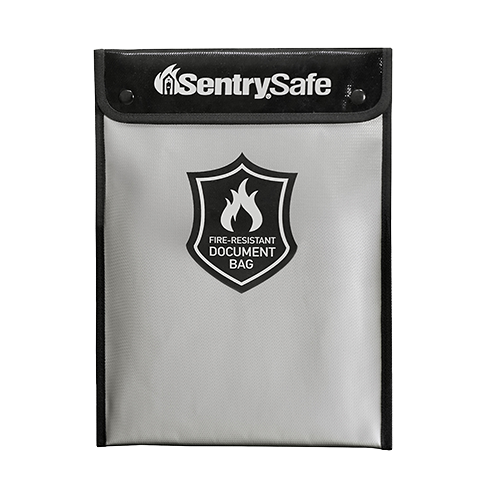
SentrySafe 1200 Fireproof Bag
Fire-resistant bag for certificates, receipts, and gold documentation
Read Review →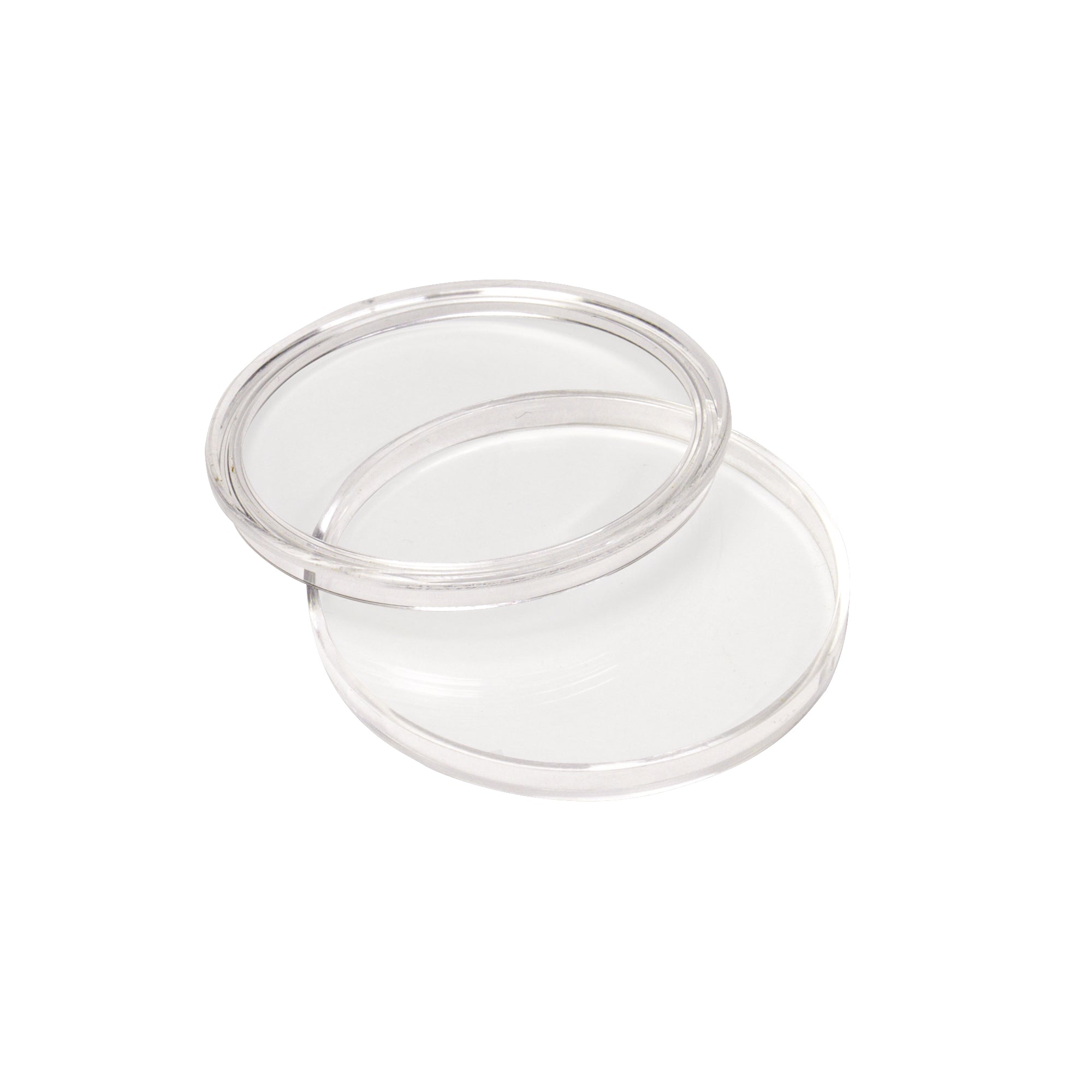
Air-Tite 38mm Coin Capsules (10-Pack)
Precision-fit capsules for American Gold Eagle and similar 1 oz coins
Read Review →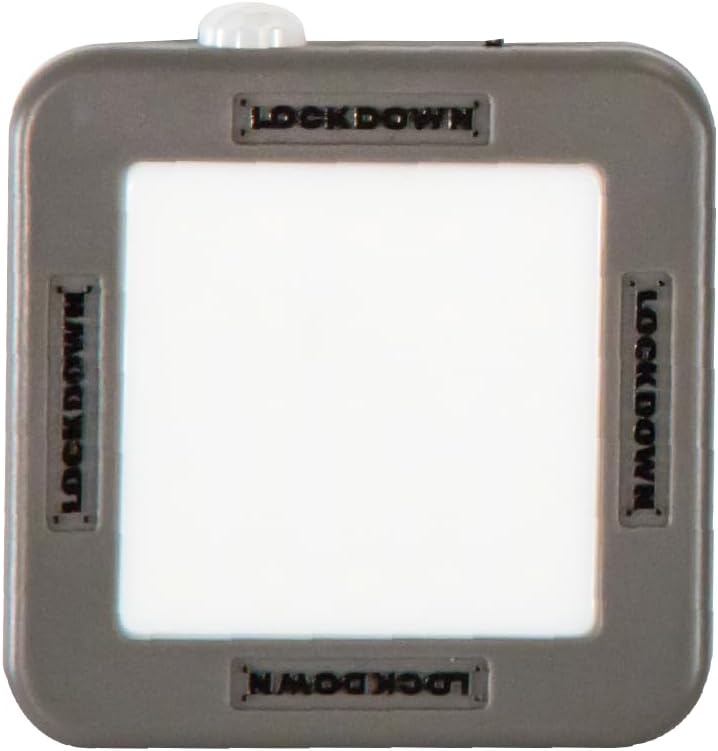
Lockdown Cordless LED Vault Light
Motion-activated LED light for safe interior visibility
Read Review →Learn more about home storage best practices
Our home storage guide covers safe selection, security systems, environmental controls, and operational security.