Physical precious metals ownership creates a fundamentally different security profile than any other asset class. Unlike stocks, bonds, or even cryptocurrency, gold, silver, platinum, and palladium can be physically stolen—and once taken, less than 3% of precious metals are ever recovered. In 2022 alone, jewelry and precious metals worth $2.39 billion were stolen in the United States, yet only $44.52 million was ever returned to victims. This stark reality demands that every precious metals investor understand not just physical security measures, but the operational security principles that prevent becoming a target in the first place.
The uncomfortable truth that security professionals consistently emphasize is this: most precious metals thefts involve some form of information leak about the victim’s holdings. Criminals don’t randomly select homes hoping to find gold—they target specific individuals based on knowledge obtained through observation, social engineering, data breaches, or information voluntarily shared by the victims themselves. The Northamptonshire coin dealer who lost £500,000 in 2024 was targeted after criminals posed as coin sellers to learn his home address, then tracked his vehicle with a GPS device. The Palm Beach collector who was followed from a coin show and assaulted in the parking lot became a target the moment criminals observed him handling valuable inventory. In case after case, the security failure occurred not when locks were picked or safes were cracked, but when information about holdings reached the wrong ears.
This reality inverts conventional thinking about security. The best safe in the world provides minimal protection if criminals know it exists and what it contains. An unknown $100,000 in a modest safe offers more real-world security than a known $100,000 in an expensive vault. The hierarchy of precious metals security therefore begins with operational security—keeping your holdings private—followed by storage location selection, physical security measures, insurance coverage, and response protocols. This guide examines each layer in detail, with documented case studies illustrating how security failures occur and evidence-based countermeasures to prevent them.
The fundamental principle that determines whether you become a target
Operational security—often abbreviated as OPSEC—represents the single most important factor in precious metals protection. Security consultants, law enforcement officials, and experienced collectors agree: the goal is to never become a target in the first place. Every physical security measure, from reinforced doors to TL-30 rated safes, exists only to delay and deter criminals who have already identified you as worth attacking. Operational security prevents that identification from ever occurring.
The core principle is devastatingly simple: tell no one who doesn’t absolutely need to know. The “need to know” standard used in intelligence and military contexts applies directly to precious metals holdings. Your spouse needs to know—they’re your partner in life and estate planning requires their awareness. Your attorney and estate executor likely need to know for planning purposes. Perhaps a single trusted family member needs awareness for continuity. Beyond these essential individuals, the default answer to “who should know about my precious metals?” is no one.
This default extends especially to people who might seem harmless to tell. Friends present particular risk because social relationships encourage sharing, and friends talk to their friends, creating unpredictable information chains. A 2024 analysis of precious metals thefts found that victims frequently traced the information leak to casual conversations—mentioning gold investments at dinner parties, discussing market timing with golf buddies, or sharing excitement about purchases with coworkers. Each disclosure creates potential pathways to criminals, whether through intentional betrayal, innocent gossip, or overheard conversations.
Neighbors represent another frequently underestimated risk. While neighborhood relationships provide many benefits, neighbors observe your comings and goings, notice unusual deliveries, and have reasons to be near your property. They talk to their neighbors, who talk to their friends, who might include individuals with very different intentions than the friendly couple next door. The Castle Shannon, Pennsylvania collector who was robbed in broad daylight at a 7-Eleven—his windows smashed and collection stolen in sixty seconds—learned his vehicle and patterns were already known to the criminals who targeted him. Neighborhood observation often provides that initial intelligence.
Online communities and social media create particularly dangerous exposure. Precious metals forums encourage discussion of holdings, recent purchases, and storage methods. While these communities provide valuable information, they also aggregate users with known precious metals interests whose digital footprints can often be correlated with physical identities and locations. The pattern is well-documented: collectors who post about their holdings, even using pseudonyms, create searchable information that sophisticated criminals can combine with other data to identify targets. One forum discussion noted that “anyone can figure out where [a named dealer] physically resides in about 30 seconds on Google”—and this observation applies to many forum participants who have revealed identifying details across their posting history.
Social media amplifies these risks exponentially. The Kim Kardashian Paris robbery, where criminals stole over $10 million in jewelry after tracking her Instagram posts showing a 20-carat diamond ring and real-time Paris location, illustrates how social media transforms private information into targeting data. Paris police explicitly stated that “it was really the celebrity who was targeted, with possessions that had been seen and noticed via social media.” While few precious metals investors have Kardashian’s public profile, the mechanism operates identically at smaller scales. Posts about purchases, photos showing safes even accidentally, check-ins at coin shops or shows, and seemingly innocent references to gold ownership all contribute to a digital profile that criminals can exploit.
How information leaks through pathways you may not have considered
Beyond intentional sharing, information about precious metals holdings leaks through numerous channels that owners often fail to consider. Understanding these pathways enables defensive measures against each one.
Delivery drivers and shipping records represent a primary vulnerability. Every package from a bullion dealer creates a record linking your address to precious metals purchasing. The JM Bullion data breach of 2020—where payment card skimming malware captured customer information for five months before discovery—exposed not just credit card numbers but physical addresses confirmed as locations where precious metals were delivered. Customers immediately recognized the danger: their addresses were now known to criminals as places worth targeting. Even without data breaches, delivery drivers themselves observe what they’re delivering. A former Home Depot/Lowe’s delivery contractor in Phoenix used delivery information to plan home invasions, targeting customers whose homes he had visited during legitimate deliveries.
The April 2018 UPS theft in Clearwater, Florida demonstrates how shipping information enables precisely targeted interception. Someone intercepted a UPS driver at the entrance to a mobile home park with a fake driver’s license matching the recipient’s address. The interceptor had foreknowledge of the delivery date, packaging, and exact contents—$99,050 in American Gold Eagle coins. The level of preparation required proves this was not random theft but exploitation of insider information about what was being shipped and when.
Contractors and service workers who enter your home create another significant risk category. Safe installers know exactly where your safe is located and what type it is. Contractors working on renovations may notice secure storage areas. House cleaners, repair workers, and other regular service providers have repeated access to observe your home and identify valuable items or storage locations. Security expert Mark Nestmann explicitly warns that “insider theft is a recurring issue with home safes,” and the mechanism is straightforward: people who legitimately enter your home can share what they observe with those who would enter illegitimately.
Coin dealers themselves represent a concentrated information source about your holdings. Dealers know what you buy, how much you spend, and often your home address. The FBI investigated Minneapolis dealer Chrysanthos Nicholas for defrauding elderly clients of $260,000 after building trust over extended business relationships. While most dealers maintain ethical practices, customer lists and transaction records represent high-value targets for criminals. The Northamptonshire robbery began when criminals posed as potential sellers specifically to establish contact with a dealer and learn his home address—demonstrating that criminals actively seek dealer relationships as intelligence-gathering opportunities.
Insurance agents, financial advisors, and accountants necessarily learn about holdings when providing professional services. Each additional person with knowledge of your assets creates additional potential leak points. Estate planning documents that detail holdings sit in filing cabinets and computer systems with varying security. Insurance scheduling that lists specific items and values creates records that could be accessed through data breaches or employee misconduct.
Family dynamics generate particularly painful information leaks. Ex-spouses may retain knowledge of holdings acquired during marriage and may not feel bound by former discretion after contentious divorce. Estranged relatives who learned about family wealth may discuss it freely. Children who know about parents’ precious metals tell their friends, whose parents mention it to their friends, creating information cascades that end in unknown hands. The half-million-dollar home invasion documented by precious metals analyst Jeff Clark—where the victim’s wife was tortured and he was killed—began somewhere with information that reached the wrong people.
The criminal selection process and surveillance techniques you should understand
Criminals who target precious metals owners typically conduct systematic target selection rather than random home invasions. Understanding their methods enables defensive awareness and countermeasures.
Coin shows function as primary surveillance venues for precious metals criminals. Security expert Al Ellsworth, who has documented these patterns for decades, reports cases where dealers were followed over 600 miles from coin shows and robbed in their driveways. The May 2024 Crown Point, Indiana robbery exemplifies this pattern: a dealer leaving a coin show was followed to a restaurant, where two vehicles boxed in his van and thieves smashed windows and grabbed inventory totes in under one minute. They had watched him load inventory, followed him when he left, and waited for the vulnerable moment when he stopped. The Numismatic Crime Information Center’s 2011 assessment documented “murder, several home invasions, numerous road-side robberies and numerous show-event thefts” directly connected to coin show surveillance.
The criminal technique is consistent: observe loading zones to identify dealers with valuable inventory, follow vehicles to identify where targets stop or where they ultimately live, then execute thefts at the most vulnerable moment. Restaurant stops prove particularly dangerous because vehicles sit unattended with inventory inside, often in parking lots with limited surveillance. The Salem-Roanoke, Virginia June 2024 theft followed this exact pattern—dealer followed from a coin show, vehicle burglarized when he stopped to eat.
Social media mining enables criminals to identify targets without physical surveillance. Posts about precious metals purchases, photos that accidentally show safes or storage areas, check-ins at coin shops, and discussions of investment strategies all contribute data that sophisticated criminals aggregate. Italian “Acrobat Thieves” specifically monitored Instagram accounts of wealthy targets to know when they were away from home—creating windows of opportunity for burglary. Criminals cross-reference social media profiles with other publicly available information to identify physical addresses, assess home security through photos, and determine patterns of absence.
Public records provide additional targeting information. Real estate records indicate property values and ownership. Building permits for safe installation reveal both that safes exist and potentially their specifications. Insurance claims following previous incidents indicate the presence of valuables. Estate sales and probate records reveal inherited collections that may still be at family homes.
Coin shops themselves function as observation posts. The serial killer Charles T. Sinclair, who murdered at least eleven coin dealers in the 1980s and 1990s, would make himself known to shop owners by visiting multiple times daily, pretending interest in purchases while studying store layouts, security measures, and owner routines. By the time he struck, victims considered him a trusted regular customer rather than a threat. His methods—building false trust through repeated low-threat interactions—represent a social engineering approach that continues today.
Vehicle indicators can mark potential targets. Bumper stickers with pro-gold messages, libertarian symbols, or prepper themes may indicate to observant criminals that the driver has interest in precious metals. Vehicles parked at coin shops or bullion dealers, especially on regular schedules, reveal purchasing patterns. Following targets from known precious metals locations to their homes provides criminals with confirmed addresses of people who definitely own gold and silver.
⚠ Warning
Less than 3% of stolen precious metals are ever recovered. In 2022, $2.39 billion in jewelry and precious metals were stolen in the US, but only $44.52 million was returned to victims. Once gold leaves your possession, it is almost certainly gone forever.
Best practices that actually protect your privacy
Given these threat vectors, effective operational security requires systematic privacy practices across all aspects of precious metals ownership.
Default to complete non-disclosure about holdings. When friends discuss investments, redirect conversations or mention conventional assets. If someone specifically asks about precious metals, the answer is vague: “I have some” rather than “I have $200,000 in gold.” Even trusted friends may repeat information without malicious intent, and you cannot control the downstream spread of what you share.
Use privacy-focused dealers who don’t share customer lists and maintain strong data security practices. Research dealer security practices before establishing relationships. Consider paying cash for smaller purchases when legally possible, eliminating credit card records that link your identity to precious metals transactions. Have deliveries shipped to alternative addresses if you’re concerned about home address exposure—work addresses, PO boxes, or carrier facility holds all reduce the connection between precious metals purchasing and your residence.
Eliminate visible indicators of precious metals interest. No bullion dealer stickers or gold-themed bumper stickers on vehicles. No social media posts about purchases, ever. No photos that show safes, storage areas, or precious metals holdings—even background details in photos can reveal more than intended. Be aware of who can see into your home through windows, and ensure storage areas aren’t visible to visitors or passersby.
When selling, maintain security protocols. Meet at the dealer’s location rather than your home. Never invite buyers you don’t know to your residence. For significant transactions, consider meeting at bank locations or police station “safe trade” zones specifically designed for high-value exchanges.
Diversify storage locations so that no single location contains everything. This limits maximum loss from any single security failure and means that even someone with partial knowledge of your holdings doesn’t know everything. The specific allocation across home storage, bank safe deposit boxes, and professional vault facilities depends on holding amounts and personal circumstances, but the principle of distribution remains constant.
Adopt the “gray man” approach to lifestyle presentation. Live below your visible means. Modest vehicles that don’t signal wealth. Home exterior that matches neighborhood norms rather than standing out as obviously affluent. No conspicuous consumption that suggests assets worth targeting. This approach reduces random targeting based on apparent wealth while supporting the broader strategy of simply not becoming a target at all.
✓ Pro Tip
OPSEC is your primary defense — not safes, alarms, or cameras. An unknown $100,000 in a modest safe provides more real-world security than a known $100,000 in an expensive vault. Tell no one who does not absolutely need to know about your holdings.
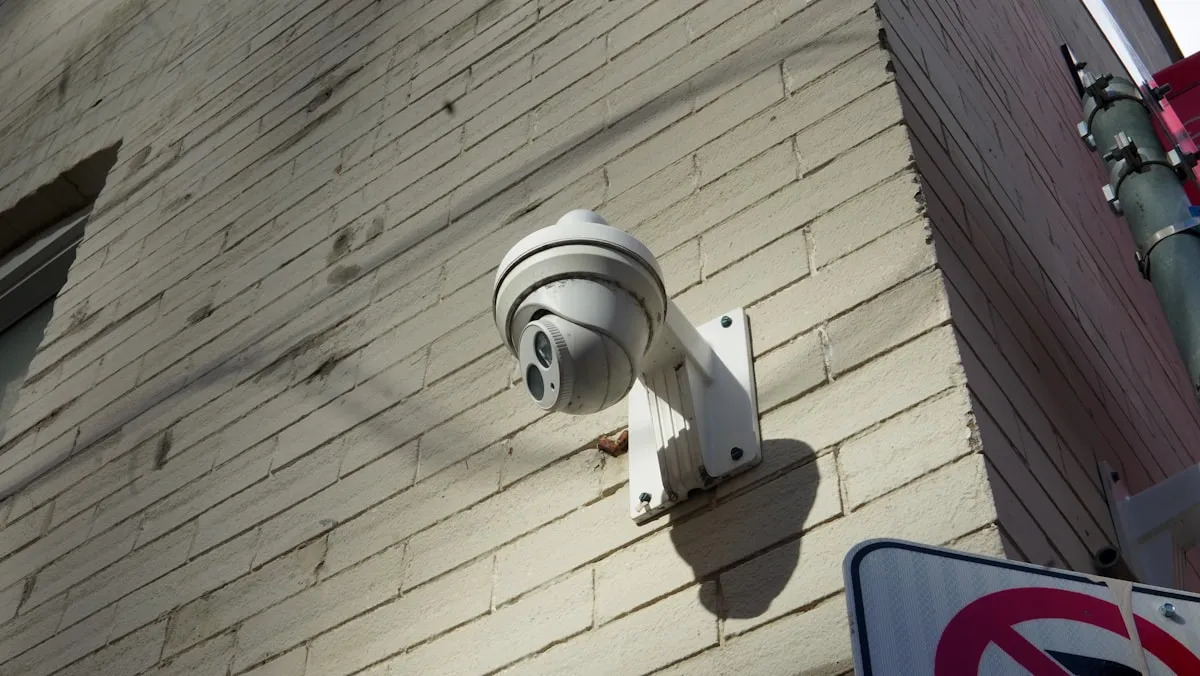
Physical security threats from home invasion to sophisticated burglary
When operational security fails and you become a target, physical security measures determine whether criminals succeed in their theft. Understanding threat types enables appropriate defensive preparation.
Home invasion while occupied represents the most dangerous threat category. Unlike burglary of unoccupied homes, home invasions involve direct confrontation—criminals know you’re present and use intimidation or violence to force access to valuables. The psychological and physical danger far exceeds property risk. The Irvine, California September 2024 crypto home invasion illustrates the pattern: at 3:30 AM, suspects entered a family home, duct-taped victims’ hands and mouths, and held them at gunpoint while demanding access to cryptocurrency holdings. The multi-state home invasion ring led by Remy St Felix—now serving a 47-year sentence—conducted invasions in Florida, Texas, North Carolina, and New York, holding families hostage for hours, torturing victims to extract access credentials and safe combinations.
The UK coin dealer home invasion of March 2024 demonstrates how professional criminals operate. After using social engineering to identify the dealer’s home address and planting a GPS tracker on his vehicle, four masked burglars broke in at 3 AM while the dealer and his wife slept. When the dealer pursued the burglars, he was stabbed in the leg with a knife. The £500,000 in coins stolen was never recovered. This case combined information gathering, surveillance technology, and willingness to use violence—a combination that defeats virtually any home security measure because the criminals forced the victim’s direct participation.
Burglary while unoccupied poses different challenges. Without confrontation, burglars have time to work on defeating security measures—potentially days or weeks if they know the homeowner is traveling. The average burglary lasts only 8-10 minutes, with 71% completed in under ten minutes, but targeted precious metals burglaries often involve more sophisticated criminals willing to invest additional time. The Hatton Garden safe deposit heist in London required three years of planning and an entire Easter Bank Holiday weekend to drill through two meters of reinforced concrete—demonstrating that professional criminals will invest whatever time is necessary when targets are sufficiently valuable.
Precious metals analyst Jeff Clark documented his own burglary experience: despite using a small safe hidden from view, with the key kept in a separate room, maintaining discreet delivery practices, and never discussing ownership, thieves found his safe and opened it with basic tools—a crowbar and hammer. His conclusion was sobering: “Small portable safes offer minimal protection; thieves will find them.” The thief had “searched home with meticulous desperation,” systematically covering the entire residence until locating the concealed safe.
Vehicle targeting creates vulnerability during transportation. The pattern is consistent: criminals observe targets at coin shows, dealers, or shops, follow their vehicles, and strike when the target stops. The Castle Shannon, Pennsylvania incident took only sixty seconds—both passenger windows smashed and the collection grabbed in broad daylight at a 7-Eleven with witnesses present. Criminals demonstrate willingness to act brazenly in public when they’ve identified a high-value target.
Insider threats involve people with legitimate access who either directly steal or provide information to those who do. The Toronto Airport gold heist of April 2023 demonstrates catastrophic insider risk: a cargo warehouse employee facilitated theft of $20 million in gold bars by providing access and fraudulent paperwork to accomplices. A suspect arrived with a fake waybill, had the container loaded by forklift, and drove away—security protocols failed to verify documentation authenticity or restrict access. Nine suspects were eventually charged, but the gold was melted down to remove serial numbers and only $65,000 was recovered.
The Brink’s-Mat heist of 1983 remains the most infamous insider-facilitated precious metals theft. Security guard Anthony Black provided key impressions and detailed security information to robbers who expected to find £3 million in cash but discovered nearly three tons of gold bullion worth £26 million—approximately 10% of the UK’s entire gold supply. The BBC later observed that “anyone wearing gold jewelry bought in UK after 1983 is probably wearing Brink’s-Mat gold” because the stolen bullion was melted and entered legitimate commerce. An estimated twenty or more people died in subsequent organized crime violence connected to the proceeds.
Layered defense creates the protection that no single measure can provide
Effective physical security for precious metals requires layered defenses—multiple barriers that each add delay and detection capability. No single security measure suffices because determined criminals can defeat any individual protection given sufficient time and preparation. The goal is to stack enough layers that total defeat time exceeds criminal risk tolerance while ensuring detection occurs quickly enough to enable response.
Perimeter security forms the outermost defensive layer. Fencing provides both psychological and physical barriers—6-foot minimum height offers meaningful delay, with 8-foot preferred for higher-security applications. Anti-climb features, thorny landscaping near potential entry points (roses, holly, barberry), and clear sightlines for camera coverage enhance perimeter effectiveness. Motion-activated lighting eliminates dark corners where intruders could work unobserved, while continuous perimeter lighting maintains visibility throughout the night. Security signage—even for homes without alarm systems—provides measurable deterrent value, as 60% of convicted burglars report they would choose different targets if they observed security system indicators.
Entry point hardening addresses the most common attack vector. FBI statistics show that 34% of burglaries involve front door entry, 22% through back doors, and 23% through ground-floor windows. More critically, 70% of break-ins succeed through door-frame failure rather than lock defeat—the frame splinters before the lock gives way. Standard builder-installed strike plates use half-inch screws that pull directly out of doorframe molding. Replacing these with 3-inch screws that anchor into wall studs costs under $10 and dramatically increases kick-in resistance.
Door reinforcement kits like the Door Armor MAX ($75-$120) add steel jamb shields, edge reinforcement, and hinge shields that prevent door splintering. Police-tested and recommended, these products can be installed in thirty minutes and transform entry resistance. High-grade deadbolts—ANSI Grade 1 rating is the highest available—provide the locking mechanism, while reinforced strike plates like the StrikeMaster II Pro add 48 inches of steel reinforcement to the frame.
Window security film adds meaningful delay at relatively low cost. 8-14 mil thickness is recommended for security applications, with products like 3M Safety Series and BDF S8MC providing tested protection. Professional installation runs $1,500-$4,500 for a full home; DIY installation is possible but professional work ensures proper adhesion. Security film doesn’t prevent glass from breaking but holds the fragments together, requiring criminals to spend significantly more time (potentially up to three minutes) creating openings large enough to enter.
Alarm systems provide detection capability that triggers response. Professionally monitored systems offer 24/7 oversight with automatic emergency dispatch, typically costing $20-$80 per month with average costs around $32 monthly. Equipment runs $130-$350 for basic DIY kits, $350-$2,000+ for comprehensive systems. Critical features for precious metals protection include cellular backup (prevents defeat by cutting phone lines), motion sensors for interior coverage, glass-break sensors for window entry detection, and panic buttons for manual alarm activation during home invasions.
Effectiveness research is compelling: 83% of burglars looked for home security systems before attempting entry according to a University of North Carolina study, and 53% would be deterred by visible cameras or security systems. Homes without security systems are 300% more likely to be burglarized. The combination of visible deterrence and rapid detection substantially reduces both attempt frequency and success rates.
Security cameras provide both deterrent and evidentiary value. Modern systems offer cloud storage that cannot be destroyed even if criminals take or damage local recording equipment. Monthly costs range from $0 (eufy local storage) to $20 (Ring/Nest comprehensive plans), with features including 2K/4K resolution, night vision, motion detection with AI filtering to reduce false alerts, and two-way audio. Doorbell cameras (Ring, Nest, Eufy) monitor primary entry points; driveway cameras can capture license plates of surveillance vehicles; and interior cameras provide evidence if intrusion occurs.
The Irvine, California home invasion prosecution succeeded partly through Tesla camera footage and license plate reader data—demonstrating how camera evidence enables apprehension even when immediate prevention fails. Cloud storage ensures this evidence survives even total property destruction.

Safe selection determines how long criminals need to access your metals
The safe itself represents the final physical barrier protecting precious metals. Safe selection directly determines how much time criminals need to gain access—and whether that time exceeds what they’re willing to risk.
Residential Security Container (RSC) safes—the type sold at office supply stores, home improvement centers, and sporting goods retailers—offer minimal protection against determined attack. Security expert consensus is direct: “A Sentry brand-type safe from Office Depot, Home Depot or Walmart is NOT a safe. They are a lockable fire box and nothing more. Even if you bolt it down, the safe can be opened with a drill, electric saw or sledge hammer in less than one minute.” Gun safes, despite their substantial appearance, share this vulnerability: “Thieves use a circular saw with carbide blade to cut a hole in the side or top of a typical gun safe, again in less than a minute.”
TL-15 rated safes represent the minimum meaningful protection for significant precious metals holdings. The “TL” designation means “Tool-resistant List”—the safe resists a specific list of attack tools for a specified time. TL-15 safes resist tool attacks (sledgehammers, chisels, pry bars up to 6 feet, drills, carbide hole saws, picks, and axes) for fifteen minutes of net working time. Minimum weight is 750 pounds unless anchored. Body walls must be at least one inch of open-hearth steel with 50,000 PSI tensile strength. Insurance coverage typically extends to $125,000 for TL-15 rated safes.
TL-30 rated safes provide thirty minutes of tool resistance and add protection against power saws, carbide disc cutters, grinding points, and abrasive cutting wheels. Insurance coverage typically extends to $250,000. For holdings exceeding $50,000, TL-30 rating is the recommended minimum. Higher ratings exist—TL-30x6 provides protection on all six sides rather than just the door; TRTL-30x6 adds torch resistance; TRTL-60x6 provides sixty minutes of combined torch and tool resistance.
AMSEC (American Security) consistently receives recommendations as the leading manufacturer. Their TL-15 AmVault CE Series runs $3,000-$7,500 for 1.8-21 cubic feet capacity; TL-30 AmVault CF Series runs $4,300-$12,000+ for comparable capacities. Fort Knox, Hollon, and Sturdy Safe also produce quality high-security products. Fire ratings should be at least 60 minutes minimum, with 90-120 minutes preferred for protection of irreplaceable items.
Installation matters as much as safe quality. Safes must be bolted to concrete floors using 3-inch wedge-style concrete anchors to prevent removal. Unanchored safes, regardless of quality, can be tipped, rolled, and removed for attack at the criminals’ convenience. Placement should be in concealed interior locations—not master bedroom closets, which 75% of burglars search first. Building a wood frame around the safe delays access while the safe itself provides attack resistance.
ℹ Note
Residential Security Container (RSC) safes sold at big-box retailers can be opened with a drill or circular saw in less than one minute. For meaningful protection of precious metals, TL-15 is the minimum rating — providing 15 minutes of certified tool resistance.
Safe rooms and hidden storage provide advanced protection options
For significant holdings or high-threat environments, advanced security measures extend protection beyond standard safes and alarm systems.
Safe rooms (panic rooms) provide reinforced spaces that serve dual purposes: protection for occupants during home invasion and secure storage for valuables. Construction costs vary widely based on specifications. Basic steel safe rooms run $3,000-$11,200 for prefabricated units in 4x6 to 8x8 foot sizes. Closet conversions cost $4,500-$6,000; under-stairs safe rooms run $3,000-$5,000. Concrete safe rooms cost $100-$200 per square foot. High-end custom panic rooms with comprehensive features range from $40,000 to $500,000+.
Essential components include reinforced doors (solid core or steel), deadbolt locks operable only from inside, communication equipment (dedicated phone line or intercom), and emergency supplies for extended stays. FEMA P-320 specifications govern wind and tornado protection standards. Some states offer 75% reimbursement up to $5,000 for safe rooms meeting FEMA specifications.
The safe room concept addresses a critical vulnerability in precious metals home storage: during armed home invasion, even the best safe offers no protection if criminals can coerce you to open it. A safe room provides a defensible space where occupants can retreat, secure themselves, and await police response without being forced to comply with criminal demands. The combination of a safe room containing the actual storage safe provides both personal security and property protection.
Hidden storage uses concealment rather than resistance as its primary defense. The principle is simple: criminals can’t steal what they can’t find. Diversion safes disguised as books, household products, wall outlets, or picture frames provide concealment for small quantities. Custom hidden rooms behind bookshelf doors ($600-$4,500), floor safes installed under carpet and furniture, and wall cavities behind false panels offer larger concealment options.
Hidden storage should never be the only security measure—discovery renders concealment worthless—but as part of a layered approach, it adds meaningful protection. If criminals expect to find a safe and search until they do, the obvious safe should be a decoy with minimal valuables while the actual holdings remain in concealed locations they don’t think to search.
Decoy safe strategies exploit criminal psychology and time constraints. Place an inexpensive safe ($100-$500) in the master bedroom closet with a modest amount of cash or low-value jewelry. Criminals searching that location—which 75% check first—find what they expect to find. With the average burglary lasting only 8-10 minutes, discovering a “safe” satisfies expectations and prompts exit before concealed actual storage is located. The psychological principle: criminals who find a safe stop looking for additional safes.
Transportation security prevents the vulnerable moments criminals exploit
Moving precious metals creates vulnerability that requires specific countermeasures. The pattern of coin show and dealer robberies demonstrates that transportation represents a high-risk phase criminals actively exploit.
Vehicle security begins with awareness that carrying precious metals creates targeting opportunity. Never establish regular patterns—vary routes and timing when purchasing or transporting metals. Use different vehicles when possible rather than creating associations between specific cars and precious metals activities. Store metals in the trunk rather than visible cabin locations. Make direct trips without stops; the Castle Shannon victim’s sixty-second 7-Eleven stop cost him his entire collection.
If you suspect you’re being followed, make three consecutive turns in the same direction—a pattern no normal driver would follow. If the suspected follower continues, drive directly to a police station rather than home. Never lead potential criminals to your residence.
Shipping security for precious metals purchases requires understanding carrier options and their limitations. USPS Registered Mail provides chain-of-custody tracking, insurance up to $50,000, and is used by the diamond industry and U.S. government for valuable shipments. Delivery requires signature, and each handler signs for the package, creating accountability throughout transit.
Armored courier services (Brinks, Loomis, G4Si, Malca-Amit) offer full liability coverage typically underwritten by Lloyd’s of London, professional security, and are appropriate for large quantities despite higher costs. Private carriers like FedEx and UPS generally prohibit precious metals shipment in their terms of service; third-party insurance may provide limited coverage (Easyship covers up to $10,000) but creates contractual complications.
Packaging practices reduce theft targeting during shipping. Use double-boxing—inner secure box placed in larger outer box with cushioning material filling gaps. Wrap coins in padded envelopes; secure items so nothing rattles or jingles (a key targeting indicator for postal workers). Label with generic descriptions (“collectible items,” never “gold” or “precious metals”). Include packing slip inside the package rather than externally visible.
For large holdings or high-value items, consider having metals delivered to dealer or vault locations rather than your residence—eliminating the connection between your home address and precious metals receipt entirely.
Response protocols when you face a security emergency
Preparation for security emergencies improves outcomes when prevention fails. Knowing how to respond before crisis occurs enables better decisions under extreme stress.
If you suspect you’re being targeted before any incident occurs, increase vigilance and vary all routines. Activate all security systems and ensure cameras are recording. Notify police about suspicious vehicles or persons—creating a documented record of concern. Consider temporarily moving metals to vault storage until the threat passes. Inform trusted neighbors to watch for unusual activity. Do not confront suspicious persons directly; observation and reporting serve your interests better than confrontation.
★ Important
During a home invasion, your life is the priority — not your metals. No amount of gold justifies risking death or serious injury. Comply with demands, observe details for police, and activate panic alarms only if you can do so safely.
During a home invasion, compliance is the priority. Your life is worth more than any amount of precious metals. If confronted with weapons, do not resist. Open safes if demanded. The half-million-dollar home invasion Jeff Clark documented ended with torture, murder, and two children losing both parents—no amount of gold justifies that outcome. Compliance does not mean passive acceptance of fate: if you can safely activate a panic alarm or reach a safe room, do so. But these opportunities arise only in specific circumstances; when weapons are present and compliance is demanded, comply.
While complying, observe and remember details that aid investigation: voices, accents, physical descriptions, clothing, vehicles, anything unique about the criminals. This information assists police even if you cannot safely communicate during the event.
After a theft, immediately call 911 and do not disturb the crime scene. Police will want to process evidence, and disturbed scenes reduce investigative effectiveness. Provide police with inventory documentation, photographs, and serial numbers you maintained as part of ownership records. Contact your insurance company immediately—delay can complicate claims. File the police report, which is required for insurance claims and assists in potential recovery.
For numismatic items, notify coin dealer networks and databases. PCGS and NGC maintain stolen coin registries; publishing serial numbers and certification numbers may enable identification if items surface in commerce. Report to the Numismatic Crime Information Center, which coordinates industry-wide theft tracking.
"The best security measure is never becoming a target at all. No safe, alarm system, or physical barrier can protect you during violent home invasion."— The hierarchy of precious metals security
Case studies reveal where security actually fails
Examining documented security failures illuminates principles in ways that abstract discussion cannot. These cases demonstrate how information leaks enable targeting, how physical security is defeated, and what different approaches might have prevented loss.
The Northamptonshire GPS tracking case demonstrates sophisticated target selection. Criminals Clinton B. and Albert J. identified a coin dealer through his business activities, arranged a meeting by offering to sell him gold sovereigns (selling eight coins to establish legitimacy), and used that meeting to learn his home address. While the dealer was present at the café, an accomplice placed a GPS tracker on his vehicle—enabling monitoring of his movements and confirmation of his residence. Two weeks later, at 3 AM, four masked burglars broke in while the dealer and his wife slept. The dealer was stabbed when he attempted pursuit; £500,000 in coins was taken and never recovered.
Prevention analysis: Meeting unknown sellers at his business premises rather than a café would have prevented address discovery. Checking his vehicle for tracking devices after unusual contacts would have detected surveillance. The fundamental failure was allowing strangers claiming to be coin sellers close enough to gather intelligence and plant tracking technology.
The JM Bullion data breach illustrates systemic information vulnerability. Payment card skimming malware installed on the dealer’s website captured customer data for five months before detection, then required three additional months before customer notification. Exposed information included physical addresses confirmed as precious metals delivery locations. Customers immediately recognized the danger: their homes were now known to criminals as places where precious metals exist.
Prevention analysis: Individual customers cannot prevent dealer data breaches. Defensive measures include having deliveries shipped to alternative addresses, monitoring for breach notifications from dealers used, and assuming that any online purchase creates a permanent record linking identity to precious metals interest. The case demonstrates that operational security extends beyond personal discretion to systemic risks in commercial relationships.
The Crown Point coin show following exemplifies the post-show robbery pattern that claims victims every year. A dealer leaving the coin show was followed by two vehicles. When he stopped at a restaurant, the vehicles boxed in his van; within one minute, windows were smashed and inventory totes were stolen. The criminals had observed him loading inventory at the show, identified him as a valuable target, and waited for the vulnerable moment when he separated from his vehicle.
Prevention analysis: Never stop between coin shows and secure destinations. Make inventory transport direct and continuous. Watch for following vehicles; if suspected, execute the three-consecutive-turns detection pattern and proceed to police station if surveillance confirms. Consider having inventory shipped separately from personal travel. The Numismatic Crime Information Center has documented this pattern extensively and provides specific protocols for dealer post-show security.
The Toronto Airport inside job demonstrates catastrophic insider risk in institutional settings. A cargo warehouse employee facilitated theft of $20 million CAD in gold bars by providing access to an accomplice who arrived with a fraudulent waybill. The accomplice, wearing a high-visibility vest and presenting paperwork for a supposed seafood shipment, had the gold container loaded by forklift onto a white box truck and drove away. Security failed to verify waybill authenticity or monitor access. A former warehouse manager was reportedly sweating profusely on the day of the theft but wasn’t questioned. The gold was melted to remove serial numbers; only $65,000 was recovered.
Prevention analysis: Dual-control procedures requiring multiple verified employees for high-value shipments would have complicated the scheme. Verification protocols matching waybills against expected shipments would have identified the fraudulent paperwork. Background investigation detecting employee connections to criminal networks might have prevented the hiring or enabled surveillance. The case demonstrates that institutional security depends on personnel integrity as much as physical measures.
The Hatton Garden safe deposit heist shows what professional criminals can achieve with time and planning. Over an Easter Bank Holiday weekend, elderly career criminals (nicknamed “Bad Dad’s Army” given their ages in the 60s and 70s) entered through the elevator shaft, drilled through two meters of reinforced concrete to bypass the vault door, and compromised 73 safe deposit boxes containing £14 million in gold, diamonds, cash, and precious metals. An insider called “Basil” (never identified) disabled security systems; the alarm company received alerts but failed to respond.
Prevention analysis: For customers, the primary lesson is that safe deposit boxes provide security but not invulnerability—and critically, safe deposit box contents are not FDIC insured. Banks disclaim responsibility in rental agreements. For institutions, the failure of the alarm monitoring company to respond to triggered alarms enabled a preventable multi-day incursion. Approximately £4.3 million (31%) was recovered; the majority was never found.
Storage location comparison reveals dramatically different threat profiles
The choice of where to store precious metals fundamentally determines security outcomes. Each option presents distinct advantages and risks that should inform storage allocation.
Home storage provides immediate 24/7 access and complete control over your metals. There are no ongoing fees after initial safe purchase, and privacy is maximized—no third parties know your holdings exist. However, home storage carries the highest theft risk. Home invasion creates danger to personal safety, not just property. Insurance limitations typically cap coverage at just $200 for bullion and coins under standard homeowners policies (the higher $1,500–$2,500 sublimits apply only to jewelry and household goldware, not investment metal). Even quality TL-30 safes, which cost $5,000-$12,000, can be defeated by professionals given sufficient time. Fire, flood, and natural disaster pose additional risks. Most critically, home storage cannot protect against coerced access during armed robbery—the fundamental vulnerability that no physical security measure can address.
Bank safe deposit boxes offer relatively low cost ($50-$200 per year) and strong physical vault security at the bank. However, several critical limitations apply. Contents are NOT FDIC insured—a fact many depositors don’t realize. FDIC coverage applies only to deposit accounts (checking, savings, CDs), not safe deposit box contents. Banks explicitly disclaim responsibility in rental agreements, and no federal laws require reimbursement for theft or damage to box contents. The Philip Poniz case—discovering his Wells Fargo Box 105 completely empty with no federal protection—illustrates this vulnerability.
Access is limited to banking hours, bank holidays cause closures, and boxes are subject to government access. The historical precedent of Executive Order 6102 in 1933—when FDR required surrender of gold coins and bullion to Federal Reserve banks under penalty of $10,000 fine and ten years imprisonment—demonstrates that government seizure is not merely theoretical. While the current absence of a gold standard reduces likelihood of repeat, the legal authority exists under national emergency powers. FBI data from 2018 shows approximately 76 bank robberies specifically targeted vaults and safe deposit boxes; while risk is low, it’s not zero.
Private vault storage represents the lowest-risk option for significant holdings. Purpose-built facilities offer 24/7 armed security, biometric access control, continuous surveillance, dual-control procedures, and full insurance coverage typically underwritten by Lloyd’s of London. Many facilities provide segregated or allocated storage where your specific metals are identified and held separately rather than commingled. Annual costs run 0.49-1.0%+ of holdings value, which is comparable to ETF expense ratios.
Private vaults offer advantages unavailable elsewhere: IRS approval for precious metals IRA holdings (prohibited for home storage and bank safe deposit), no bail-in risk (where depositor assets could be used to rescue failing banks, a mechanism used in Cyprus in 2013), enhanced privacy in non-bank environments, and professional handling that maintains provenance and documentation. Major providers include Brinks Global Services, Loomis International, Delaware Depository, and the Texas Bullion Depository (state-administered).
The primary limitations are annual fees, the necessity of trusting a third party, and transportation risk when depositing or withdrawing. For these reasons, many investors maintain small emergency reserves at home while using professional vault storage for the majority of holdings.
The average burglary lasts only 8-10 minutes. 34% enter through the front door, 22% through back doors, and 23% through windows. 70% of break-ins succeed through door-frame failure, not lock defeat.
Security recommendations scale with holding value
Appropriate security measures depend significantly on the value of holdings. Inadequate protection invites loss; excessive protection wastes resources on unlikely threats. These guidelines suggest appropriate measures at different scales.
Under $25,000 in holdings: Basic home security generally suffices at this level. The priority is concealment over resistance—hidden storage and diversion safes may provide more protection than obvious secure storage. Standard residential safes in the $500-$1,500 range provide reasonable protection against opportunistic theft. Door reinforcement kits ($75-$120), window security film, and basic alarm systems ($15-$30/month monitoring) provide meaningful defense. Operational security remains absolutely critical regardless of holding size—telling no one remains the most important protection. Insurance floaters to cover holdings above the standard policy bullion limit ($200) provide financial recovery if theft occurs. Consider bank safe deposit boxes or small vault storage accounts as alternatives to home storage entirely.
$25,000-$100,000 in holdings: Invest in TL-15 rated safes ($3,000-$6,500) as minimum protection. Monitored alarm systems with cellular backup become essential rather than optional. OPSEC becomes absolutely critical at this level—the amounts involved justify sophisticated criminal targeting. Camera systems with cloud storage provide both deterrent and evidence if incidents occur. Strongly consider vault storage for significant portions of holdings; this value range represents the threshold where professional storage becomes clearly worthwhile. If maintaining home storage, increase perimeter security with motion lighting, comprehensive camera coverage, and entry point hardening throughout the home.
$100,000-$500,000 in holdings: TL-30 safes or professional vault storage become mandatory at this level. The value involved justifies professional criminal attention and sophisticated attack methods. Monitored alarm systems with glass-break sensors, motion detection, and panic buttons should be comprehensive. If maintaining home storage, consider installing decoy safes in obvious locations with real storage concealed. Seriously evaluate moving 100% to vault storage—the risks of home storage at this value level are substantial, and professional vault annual fees (0.5-1.0% of value, or $500-$5,000 per year) provide security that home measures cannot match. OPSEC is paramount; limit knowledge to spouse, attorney, and perhaps one trusted executor.
Over $500,000 in holdings: Professional vault storage is strongly recommended for the majority of holdings. The risks of home storage at this level are difficult to justify. If any home storage is maintained, TL-30 rated safes are minimum, comprehensive monitored security systems essential, and safe rooms should be considered. Professional security assessment from qualified consultants is warranted. Transportation of significant quantities should use armored courier services rather than personal transport. OPSEC should be absolute—spouse and attorney only, with documented succession plans for estate continuity. Diversify storage locations across multiple vaults and potentially multiple jurisdictions, so no single point of failure can cause total loss.
Legal considerations that every precious metals owner should understand
Security measures exist within legal frameworks that constrain available options and create potential liability. Understanding these frameworks enables informed decisions.
Castle Doctrine laws provide enhanced legal protection for defensive force within your home. States with strong Castle Doctrine provisions presume that homeowners reasonably feared death or serious injury if intruders unlawfully and forcibly enter their dwelling. Texas has the most expansive provisions, allowing deadly force to protect property and to prevent nighttime burglary—the only state permitting deadly force specifically for property protection. Florida, Alabama, Georgia, South Carolina, Tennessee, Kentucky, Louisiana, Mississippi, North Carolina, and Ohio all have robust presumptions favoring homeowners. Colorado’s “Make My Day Law” shields homeowners from criminal and civil liability for using force against unlawful home invaders.
Stand Your Ground laws extend the principle beyond homes—in these states, you have no duty to retreat before using force anywhere you’re legally present. Stand Your Ground states include Alabama, Alaska, Arizona, Arkansas, Florida, Georgia, Idaho, Indiana, Iowa, Kansas, Kentucky, Louisiana, Michigan, Mississippi, Missouri, Montana, Nevada, New Hampshire, North Carolina, North Dakota, Ohio, Oklahoma, Pennsylvania, South Carolina, South Dakota, Tennessee, Texas, Utah, West Virginia, and Wyoming. States without Stand Your Ground provisions generally require attempted retreat before using deadly force outside the home.
Critical legal principles apply universally regardless of state. Deadly force requires reasonable belief of imminent threat of death or serious bodily harm—not merely fear of property loss. The threat must be immediate, not speculative. Force used must be proportional to the threat faced. The defender must not have provoked the encounter. In most jurisdictions, deadly force is never justified to protect property alone (Texas being the notable exception). Shooting a fleeing burglar who poses no threat to life exposes homeowners to criminal charges and civil liability regardless of the theft they committed.
Booby traps are universally prohibited for property protection. The landmark case Katko v. Briney (Iowa, 1971) established the principle: a landowner who set a shotgun trap in an abandoned building was held liable when a burglar was shot—because life is valued over property regardless of the victim’s unlawful presence. Booby traps cannot distinguish between intruders, emergency responders, or innocent visitors; they provide no opportunity for surrender; and they impose disproportionate consequences for property crimes. Criminal charges and civil liability both apply to booby trap injuries regardless of the victim’s lawfulness.
Dog owner liability presents nuanced considerations. Generally, homeowners are not liable if dogs bite trespassers engaged in criminal activity. Florida law requires bite victims to have been “lawfully” present to recover damages; Colorado’s strict liability statute explicitly doesn’t apply to trespassers. However, “willful and wanton” conduct—such as releasing a trained attack dog on a known trespasser—can create liability even against criminals. “Beware of Dog” signs reduce but don’t eliminate liability in all states. Dogs represent effective deterrents (even small dogs that alert owners), but should be contained with proper warning signage rather than used as active weapons.
Civil lawsuits from home defense present risks even when criminal charges don’t apply. The different standards matter: criminal conviction requires proof “beyond reasonable doubt,” while civil liability requires only “preponderance of evidence” (more likely than not). Criminals have attempted to sue homeowners who shot them; the Oregon wrongful death case where an intruder’s family filed a $505,000 lawsuit after the intruder was shot during a struggle demonstrates this risk is not theoretical. Even unsuccessful lawsuits create substantial legal costs.
Many Stand Your Ground states provide civil immunity when defensive force is justified, but coverage varies. Umbrella insurance policies (typically $150-$383 per year for $1 million coverage) provide legal defense coverage that standard homeowners policies may not. Documentation is crucial—security camera footage of forced entry supports self-defense claims far more effectively than verbal testimony alone.
Insurance considerations that precious metals owners often overlook
Standard homeowners insurance provides grossly inadequate coverage for precious metals. Understanding limitations enables appropriate supplemental protection.
Typical homeowners policy limits for precious metals are $200-$250 total—often nothing at all. Jewelry coverage typically caps at $1,000-$2,500 total with per-item limits of $1,500-$2,000. These sub-limits apply regardless of overall personal property coverage. A policy with $100,000 personal property coverage may still limit gold and silver to $200. Standard policies often require items stored in safes for any coverage, exclude “mysterious disappearance,” and don’t cover floods or earthquakes.
Scheduled personal property riders (floaters) add specific items to existing policies, eliminating sub-limits and covering additional perils including accidental loss. This requires professional appraisals documenting items and values. Costs are higher than standard coverage but provide actual protection matching true values. Blanket coverage raises overall category limits (perhaps $5,000 for precious metals) without scheduling individual items—less expensive than floaters but may still have per-item caps.
Specialty precious metals insurance through companies like Safe Deposit Box Insurance Company (SDBIC), American Special Risk, or Lloyd’s of London syndicates provides comprehensive coverage specifically designed for gold and silver holdings. “All-risk” coverage is standard, covering theft, fire, natural disasters, and transit. Some providers don’t require appraisals. Coverage extends to actual market value rather than depreciated “actual cash value.”
Safe deposit box insurance deserves specific attention because most people assume their bank provides coverage. There is no FDIC coverage for safe deposit box contents. Bank rental agreements typically disclaim responsibility for loss or damage. The SDBIC and similar specialty providers offer coverage for box contents without disclosure of specific items or appraisals—appropriate given that safe deposit users often prefer not to document contents. First 14 days of new policies typically exclude flood and hurricane claims to prevent adverse selection.
Professional vault storage typically includes insurance or provides access to specialty policies as part of service agreements. Built-in coverage, state-of-the-art security, regular audits, and documented provenance may actually provide superior insurability compared to home storage—potentially at comparable total cost when considering the expense of quality home safes plus insurance riders.
The hierarchy of security that protects both property and life
Precious metals security operates according to a clear hierarchy of priorities. Understanding this hierarchy enables appropriate resource allocation and realistic expectations.
Operational security stands at the top—preventing target identification entirely. The most sophisticated physical security measures provide limited protection once criminals have identified you as worth attacking and have time to plan. Conversely, effective OPSEC makes all other security measures largely unnecessary because threats never materialize. Every precious metals investor should treat operational security as their primary defensive investment.
Storage location selection ranks second. The fundamental decision—home versus bank versus professional vault—determines the entire threat model. Professional vault storage eliminates home invasion risk, dramatically reduces burglary risk, and transfers responsibility for physical security to organizations with professional capabilities and full insurance coverage. For significant holdings, vault storage represents the clearest path to comprehensive protection.
Physical security measures come third—delay and deterrence mechanisms that function when OPSEC has failed and you’ve become a target. Layered defenses (perimeter, entry points, alarms, cameras, safes) stack delay time and detection probability. The goal is ensuring total defeat time exceeds criminal risk tolerance while triggering response before criminals achieve access. Physical security matters, but it addresses scenarios that effective OPSEC and appropriate storage selection should prevent.
Insurance provides fourth-layer protection—financial recovery when all other measures have failed. Insurance cannot prevent loss, cannot protect personal safety during home invasion, and cannot guarantee recovery of irreplaceable items. But appropriate coverage ensures that successful theft doesn’t cause financial catastrophe beyond the immediate loss.
Response protocols complete the hierarchy—minimizing damage when incidents occur. Knowledge of how to respond during and after security emergencies improves outcomes when prevention has failed.
The most important takeaway is this: the best security measure is never becoming a target at all. No safe, alarm system, or physical barrier can protect you during violent home invasion. No insurance policy restores peace of mind after trauma. The foundation of precious metals security is keeping your holdings private—and that costs nothing except discipline. The second-best measure is storing metals where sophisticated criminals cannot reach them regardless of their planning—professional vault facilities designed specifically for that purpose. Physical security measures and insurance provide important supplementary protection, but they address scenarios that superior strategies should prevent entirely.
Precious metals represent unique assets that require unique security thinking. The tangibility that makes gold and silver appealing as stores of value also makes them vulnerable in ways that electronic assets are not. By understanding threats, implementing appropriate countermeasures, and above all maintaining operational security, investors can protect both their holdings and their personal safety against the full range of risks that precious metals ownership creates.